



01Project Management
PMO Lifecycle Standardization
Turning ad-hoc IT projects into a governed, visible portfolio lifecycle.
Durmuş Ali Tamer
Applied systems, transformations and decision architectures—together with the notes and analyses that inform them.
Turning ad-hoc IT projects into a governed, visible portfolio lifecycle.

Cutting the monthly reporting cycle by 40% with automated, dashboard-based reporting.

A KPI tree, BI architecture and governance layer that link strategy to performance.

Data-driven segmentation that turns market insight into targeted growth.

Closing the gap between strategic goals and daily operations.

Evidence-based feasibility for a major capital investment decision.
Organizational context is anonymized where required; contributions and outcomes are written without presenting team delivery as individual ownership.
Year, organization, role, duration and measurement method are shown only after record-level verification. Their absence means limited disclosure, not an inferred claim.
Operations are never only diagrams. Production and computation make the discipline behind flow, reliability and decision quality visible.

Every handoff, constraint and control point shapes the performance of the whole operation.
Photo: Nenad Stojković / Shixart1985 · CC BY 2.0
Digital capability depends on physical capacity, operational continuity and deliberate architecture.
Photo: SimonWaldherr · CC BY-SA 4.0
Project Management
A PMO earns its place by accelerating delivery, not adding paperwork.

Business Intelligence
BI is not a collection of dashboards. It is the shortest path from a question to a decision.

Business Development
Growth follows focus. Segmentation tells you where to point it.
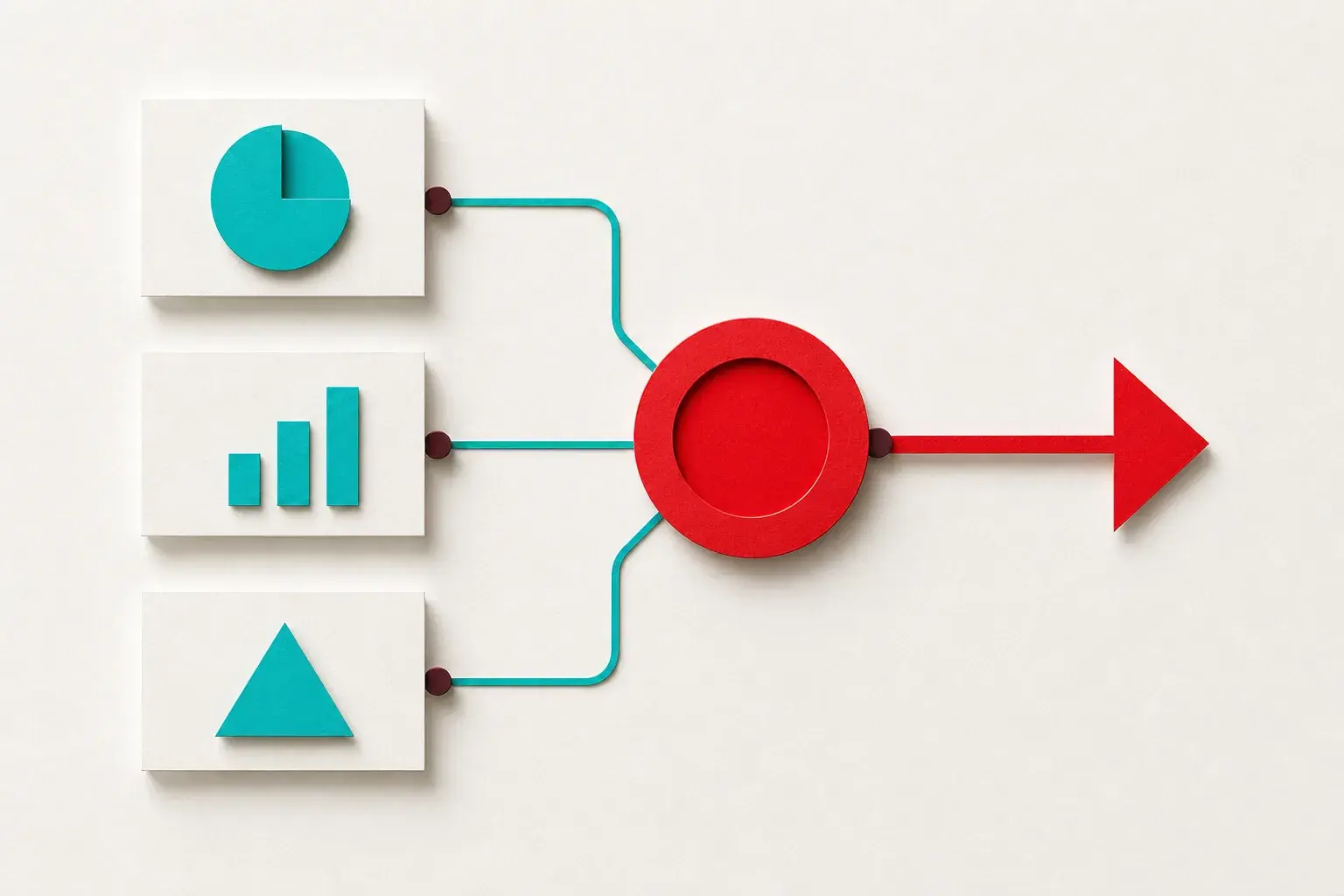
Business Intelligence
Executives need signal, not a scoreboard. Design KPIs that drive action.

Project Management
The model should fit the work, not your team's habits.
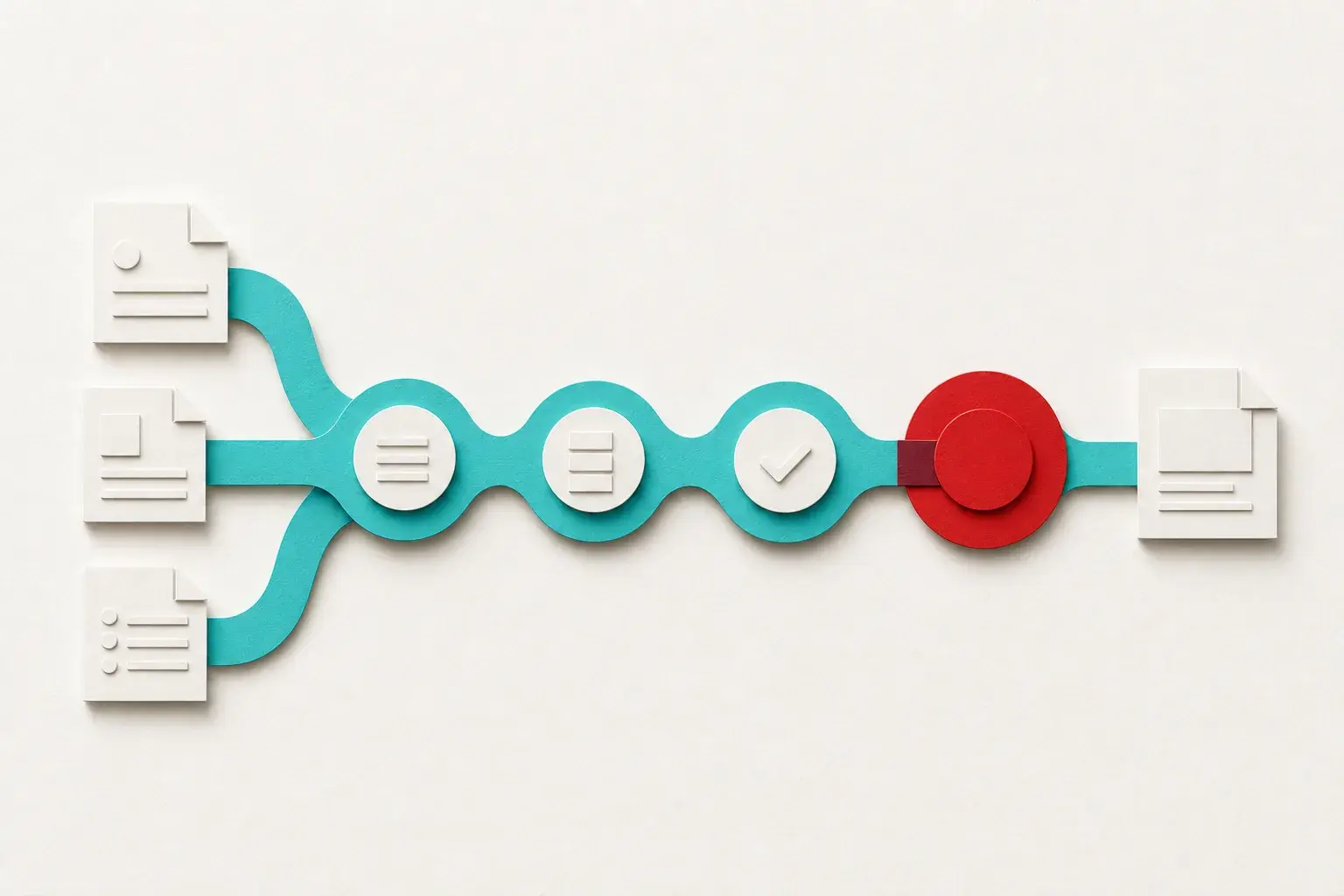
AI Automation
Let AI handle the repetitive reporting so the team can think.
Metrics, sources and limits are stated. Confidential details are omitted rather than embellished.
Ideas are evaluated through implementation, incentives, governance and measurement.
The archive prioritizes original reasoning and practical implications over publishing volume.
Share the context and intended outcome, and we can define the right mode of work.